
Introduction: The First Breath of Calm
I learned about breathing techniques when I recently visited an excellent clinic in Germany with my wife. One of the instructors guided us through a simple exercise: “Breathe deeply, in and out, and pay attention to your breath.” It sounded so basic, yet, as I followed along, I found a profound sense of calm enveloping me. It was a stark contrast to the stress I had been feeling in the weeks before. This experience opened my eyes to the power of intentional breathing, a tool that has ancient roots and modern relevance. Today, we’ll delve into various breathing techniques, particularly from the practice of pranayama in yoga, and how these can be harnessed to manage and reduce stress effectively. Reducing stress is one of the 9 pillars of holistic health.
Understanding the Impact of Breathing on Stress
Stress, in everyday terms, is a reaction to pressures or threats. When stressed, the body releases hormones like cortisol and adrenaline, preparing us for a “fight or flight” response. While this can be life-saving in danger, chronic stress can lead to severe health issues such as heart disease, depression, and a weakened immune system. Understanding how to manage stress is crucial, and breathing techniques offer a simple yet powerful way to control these stress responses effectively. Read more about stress and its effects.
Breathing impacts our entire body. It influences how we think, feel, and react to our environment. Scientifically, breathing affects the parasympathetic nervous system, which can calm our body’s stress response. Proper breathing can increase the oxygen exchange in our lungs, improving blood quality and brain function. This is why taking a deep breath feels so refreshing—it literally clears your mind by increasing oxygen and balancing carbon dioxide levels. Learn more about the science of breathing.
Ancient and Modern Wisdom on Breathing
The practice of controlled breathing is ancient, with roots in various Eastern traditions like Hinduism, Buddhism, and Taoism. These cultures understood the link between breath and mind and harnessed it for greater spiritual and health benefits. For example, the practice of pranayama—literally “life force control”—is a key component of yoga, deeply embedded in its philosophy as a path to enlightenment and well-being.
The Ancient Art of Breath Control
Here are three pranayama breathing techniques, each with unique benefits.
- Ujjayi (Ocean Breath): Involves breathing through the nose, with a slight constriction of the throat, producing a soothing ocean-like sound in the back of the throat. It is calming and aids in maintaining a rhythm in breathing.
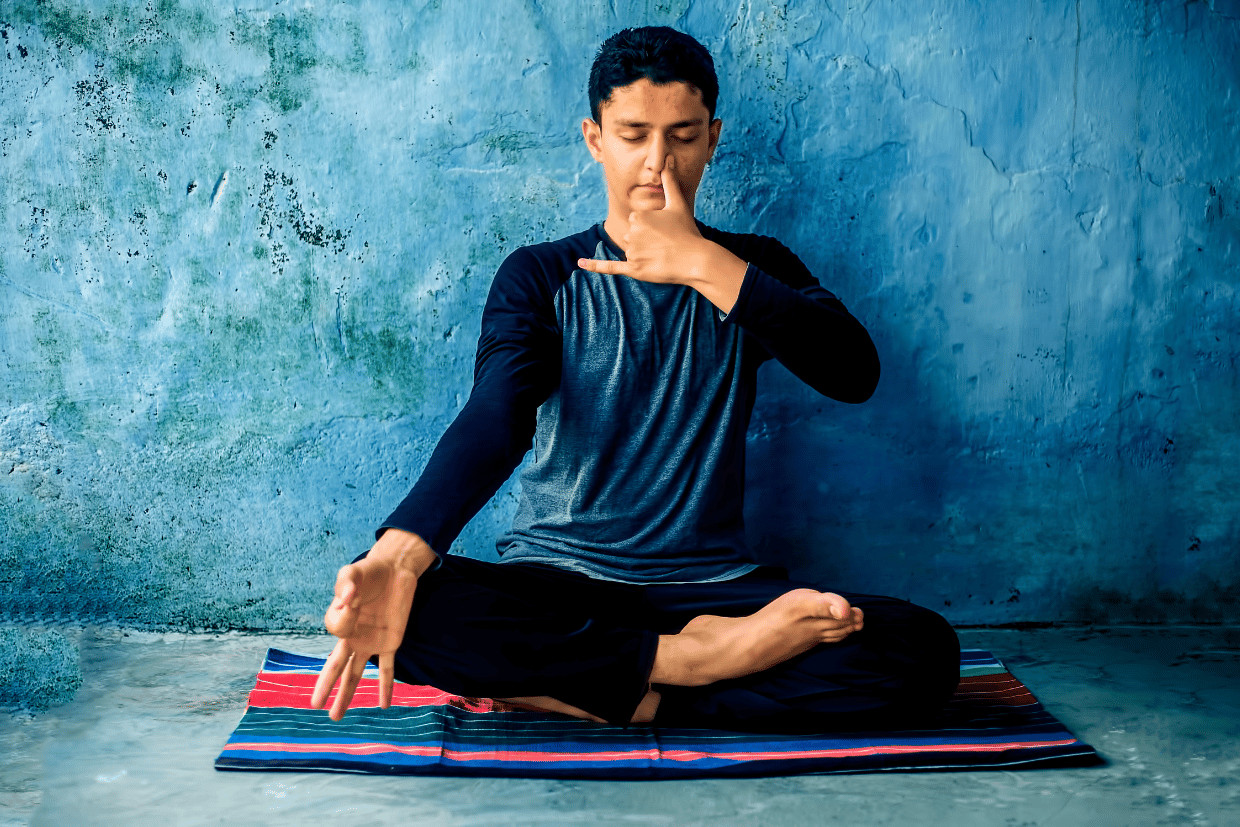
- Anulom Vilom (Alternate Nostril Breathing): This breathing technique involves closing one nostril while breathing through the other and then switching. It helps balance the left and right hemispheres of the brain, promoting mental clarity and calm. This technique is a traditional yoga practice from ancient India, detailed in the Hatha Yoga Pradipika and other classical texts.
- Kapalabhati (Skull Shining Breath): This breathing technique consists of short, powerful exhales and passive inhales. It is energizing and said to improve focus and detoxify the body.
Other ancient breathing techniques are:
- Guided Visualization Breathing: While guided visualization as a specific therapeutic practice is modern, visualization techniques are part of many ancient traditions, including Vajrayana Buddhism and shamanic practices.
- Belly Breathing: also known as abdominal breathing, this technique is a fundamental part of ancient yoga and meditation practices.
Let’s break down how to practice Ujjayi (Ocean Breath) as an example:
- Sit comfortably with your spine straight and shoulders relaxed.
- Inhale deeply through your nose.
- Constrict your throat as if whispering, and exhale slowly through a small opening in your mouth, making a soft “ha” sound.
- Close your mouth and attempt to make the same sound while exhaling through your nose, keeping your mouth closed.
- Repeat this cycle for 5-10 minutes, focusing on the sound and feel of your breath.
Modern Breathing Techniques for Stress Management
Other cultures have also developed techniques to manage stress through breathing. For instance:
- Box Breathing: used by the U.S. Navy SEALs to calm nerves quickly. Inhale for four counts, hold for four counts, exhale for four counts, and hold again for four counts.
- 4-7-8 Breathing: Developed by Dr. Andrew Weil based on pranayama. Inhale for four seconds, hold for seven seconds and exhale for eight seconds. This is excellent for relaxation before sleep.
- Progressive Relaxation, a breathing technique developed by American physician Edmund Jacobson in the early 20th century.
- Resonant or Coherent Breathin: a relatively modern term and practice, developed in part by researchers studying heart rate variability and the physiological effects of breathing on the autonomic nervous system.
Integrating Breathing Techniques Into Your Routine
Incorporating these breathing techniques into daily life can seem daunting, but it’s about making small changes. Start by choosing one technique and practicing it at a specific time each day, like during a morning routine or when you feel stress creeping in at work. The key is consistency and mindfulness.
Several apps are available that can guide you through various breathing exercises. These tools are helpful, especially for beginners, as they provide structure and reminders to practice regularly. Examples include “Calm,” “Headspace,” and “Breathwrk,” which offer guided sessions ranging from quick stress relief techniques to longer meditative practices for deep relaxation.
Beyond stress relief, regular practice of controlled breathing can lead to other benefits like improved sleep patterns, reduced blood pressure, and better emotional resilience. These techniques empower you to take control of your body’s natural stress response, leading to enhanced overall wellness and vitality.
Conclusion: Breathe Deeply, Live Fully
Reflecting on my first experience, it’s clear that to breathe deeply was just the beginning of a journey toward a healthier, more balanced life. I encourage you to start this journey and observe the changes in your stress levels and overall well-being as you do. Breathing is not just about survival; it’s a tool for thriving in our hectic world.