
Introduction to Healthy Environments Across Cultures
During a recent peaceful stroll through the local botanical garden in Eze near Monaco, I was struck by the profound tranquility that the space provided. It was a reminder of the powerful impact that our surroundings can have on our overall well-being. This concept is not exclusive to any one culture; around the world, various societies have long recognized and utilized their environments in ways that promote healing and health. These healthy environments, rich with cultural significance, vary widely—from the use of sacred spaces in Native American traditions to the meticulous balance of energies in Chinese Feng Shui.
Design of Healthy Environments
Healthy environments are areas designed or naturally occurring that enhance the health and well-being of individuals. They can be as small as a corner of a room or as large as a landscape, designed with intent or naturally conducive to healing. The critical aspect is their ability to positively affect the physical, mental, or spiritual health of individuals.
The importance of these spaces cannot be overstated. They provide a sanctuary from the stresses of everyday life and help to restore balance. They encourage mindfulness, facilitate deeper social interactions, and can even offer medicinal benefits through the presence of specific flora or design elements.
Traditional Practices and Healing
- Native American Traditions: Many Native American tribes use sweat lodges as a form of spiritual and physical purification. These lodges are built from natural materials and represent the womb of Mother Earth, providing a place for rebirth and healing. The process involves sitting in a dark, hot lodge while herbal steam is created by pouring water over hot stones. This practice is thought to cleanse both the body and the spirit, promoting health and healing. Community participation enhances the therapeutic effects, as it strengthens social bonds and communal support. Learn more about this practice from Native Tribe Info.
- Ayurveda in the Indian Subcontinent: In India, the architectural principles of Vastu Shastra mirror the medicinal principles of Ayurveda, emphasizing balance and harmony. Structures are designed to optimize the flow of prana (life force) similar to how bodies are treated in Ayurveda to balance the doshas. The use of specific materials, colors, and spatial alignments is believed to affect health and energy levels positively. This architectural approach is deeply intertwined with India’s holistic view of health and wellness. More on Ayurvedic architecture can be explored in this article on architizer.com.
- Feng Shui from China: Feng Shui, the ancient Chinese art of arranging living spaces, is based on the flow of chi (energy). It’s believed that arranging your environment harmoniously can enhance your health and fortune. This practice involves positioning objects and choosing architectural elements based on a complex system of laws considered to govern the universe. Techniques may include the orientation of buildings, the positioning of furniture, and the use of specific colors that correspond to elements like water, wood, fire, earth, and metal. The principles of Feng Shui can be further explored in detail at The Feng Shui Society.
Architectural Styles That Promote Healing
Japanese Architecture: The use of natural materials such as wood, bamboo, and stone is prevalent in Japanese architecture, aiming to create a harmonious, peaceful environment that encourages contemplation and mental clarity. Traditional Japanese Zen gardens are perfect examples, designed to mimic natural landscapes in a highly stylized manner. These gardens are not only beautiful but are intended to facilitate meditation and mindfulness, key components in mental and emotional healing. Detailed studies on Japanese Zen gardens can be found on the asianstudies.org website.
Scandinavian Design: The Scandinavian concept of hygge (pronounced “hoo-ga”) emphasizes a lifestyle of coziness and contentment. This cultural approach to well-being is reflected in their interior design, which features clean lines, organic materials, and a simple, uncluttered aesthetic. The design fosters a sense of comfort and ease, which can significantly affect one’s mental health. Insights into hygge and its influence on design can be explored through Domestika.
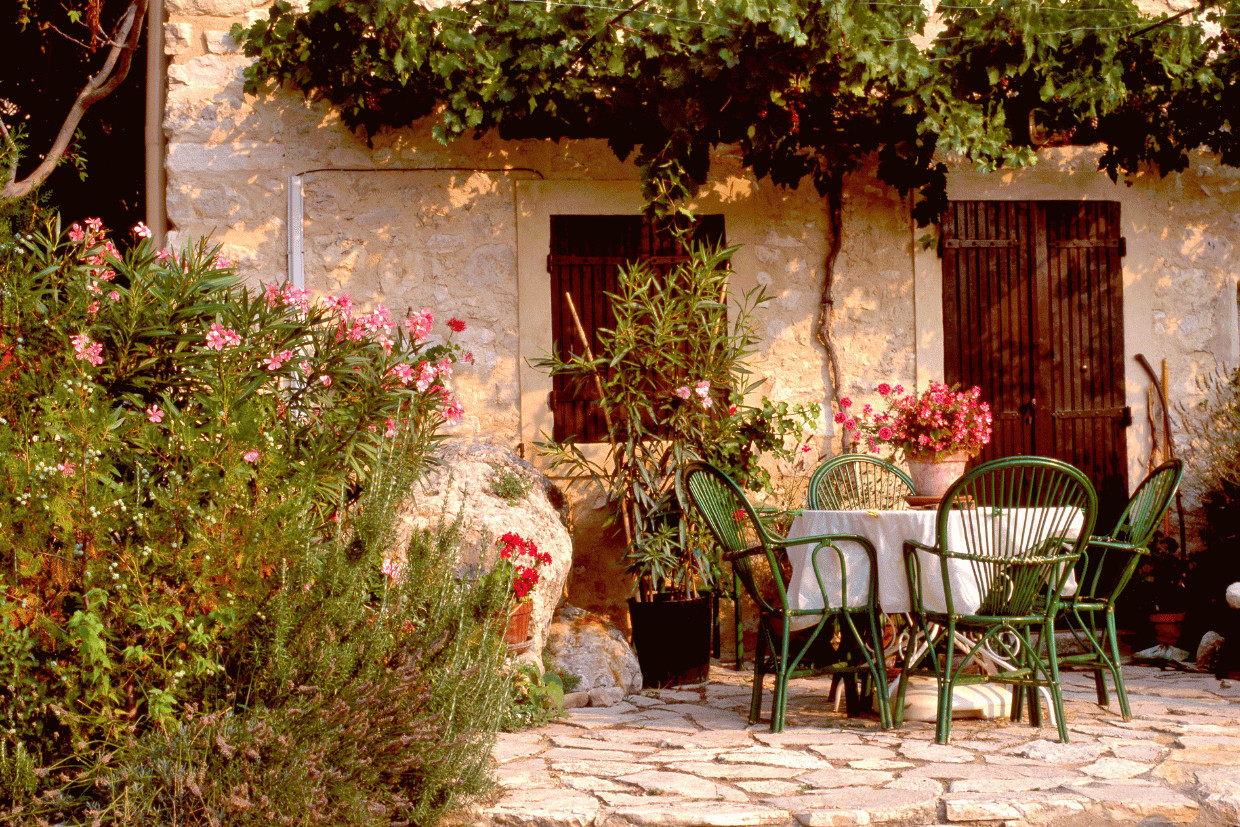
Mediterranean Architecture: Known for its bright, airy spaces, Mediterranean architecture incorporates elements such as large windows, courtyards, and light colors to maximize the presence of sunlight and fresh air, both of which are vital for physical health. This design style not only promotes a healthy lifestyle through the encouragement of outdoor living but also supports mental health by reducing symptoms of depression and anxiety associated with indoor confinement and lack of sunlight. The health benefits of Mediterranean architectural elements have been documented in studies such as those found in an article on the site of the JCVPM architects.
Community Layouts and Their Health Impacts
- African Village Structures: The layout of traditional African villages often centers around communal spaces, which are crucial for fostering strong community ties and collective activities. These communal spaces are typically used for social gatherings, ceremonies, and healing rituals, underscoring the importance of community in individual health. The design and use of these spaces directly contribute to the psychological well-being of the community members by providing a strong sense of belonging and support. More on the role of community in African cultures can be found in anthropological studies from African Journals Online.
- Urban vs. Rural Health Influences: The design of urban spaces often lacks the natural elements that promote healthy environments, such as green spaces or quiet retreats, which are more readily available in rural areas. However, innovative urban planning can incorporate these elements through the creation of parks, rooftop gardens, and pedestrian zones, which can mitigate some of the stress associated with urban living. Comparisons of health impacts between urban and rural environments have been extensively analyzed in publications by the World Health Organization.
Conclusion: Embracing Diverse Healthy Environments
The exploration of different cultures and how they create and utilize healthy environments reveals a rich diversity of approaches, each tailored to the specific needs and traditions of the community. By integrating these various perspectives into our own spaces, whether through adopting specific architectural styles or incorporating traditional healing practices, we can enhance our own well-being and that of our communities.
Let this be an invitation to you, dear reader, to explore and embrace these principles in your own living spaces. Subscribe to our blog and continue your journey towards creating a personal healthy environment tailored to your needs.
This extended exploration into how different cultures approach healthy environments not only broadens our understanding but also enriches our ability to craft spaces that promote health and well-being in our own lives.