
Introduction
In our fast-paced modern world, mental well-being can be achieved through the ancient arts of yoga, tai chi, and qigong. Such arts, and more modern ones like mindfulness, serve as vital sanctuaries for mental and emotional well-being. These time-honored practices not only help alleviate stress but also enhance our overall health and quality of life. This article delves into the origins, principles, and benefits of each of these practices, offering a roadmap to those seeking tranquility and resilience in their daily lives.
I remember when life’s relentless pace started to feel overwhelming. My days were filled with stress, anxiety, and a constant rush that seemed never-ending. It was during this tumultuous time that I discovered the ancient arts of yoga, tai chi, qigong, and mindfulness. These practices became my refuge, guiding me toward a state of serenity I hadn’t known before. Let’s explore these transformative practices to boost emotional and mental well-being together.
Yoga: Mental Well-Being and Unity of Body and Mind
Origin and History:
Yoga’s origins trace back over 5,000 years in ancient India. More than just physical postures, yoga is a comprehensive philosophy encompassing breath control, meditation, and ethical precepts. Its Sanskrit root, “yuj,” means to unite, symbolizing the unity of body, mind, and spirit.
Key Benefits:
Yoga improves flexibility, reduces stress, enhances concentration, and promotes a profound sense of peace. Practitioners often experience better sleep, increased strength, and a greater sense of well-being.
Popular Forms:
- Hatha Yoga: Known for its gentle sequences, ideal for beginners.
- Vinyasa Yoga: Characterized by fluid transitions between poses, synchronizing breath with movement.
- Ashtanga Yoga: A more rigorous practice involving a set series of poses.
Practical Advice:
Starting with a beginner’s class or online tutorial can help ease into the practice. Consistency is key, so aim for a few sessions per week.
Tai Chi: The Meditative Martial Art
Origin and History:
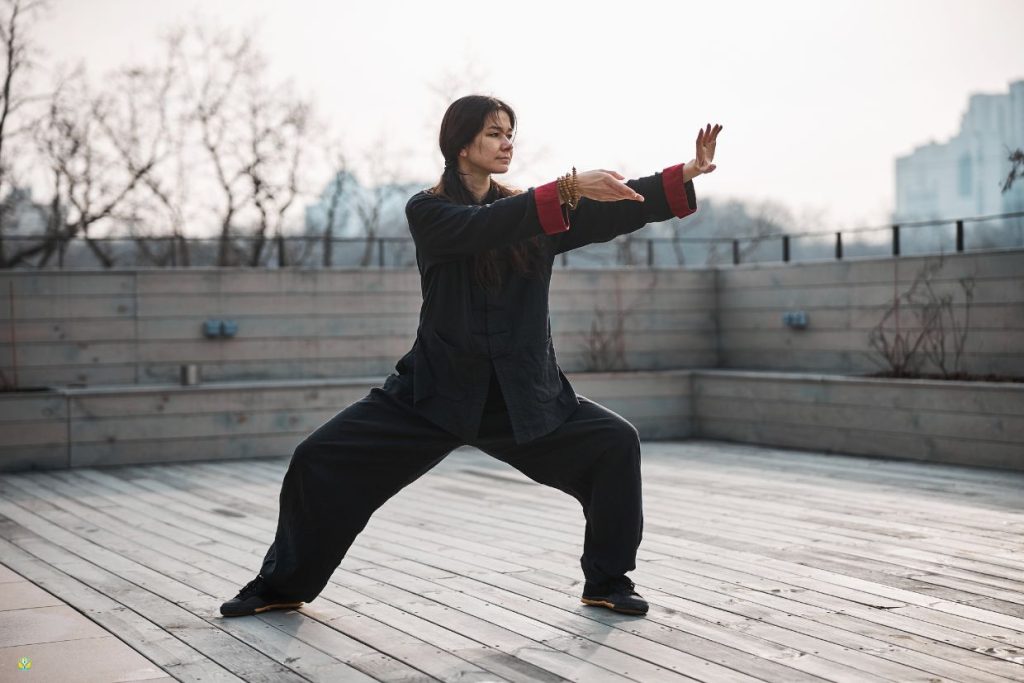
Developed in ancient China, tai chi is often described as “meditation in motion.” Originally conceived as a martial art, it has evolved into a form of exercise that supports balance, calm, and mental well-being.
Key Benefits:
Tai chi reduces stress, improves heart health, enhances balance, and calms the mind. It’s particularly beneficial for older adults due to its low-impact nature.
Practice Essentials:
Characterized by slow, graceful movements, tai chi can be practiced by individuals of all ages and fitness levels. Regular practice can enhance physical and mental well-being.
Practical Advice:
Joining a local tai chi group or following online classes can help in learning the correct movements and techniques.
Qigong: Cultivating Energy
Origin and History:
Rooted in Chinese medicine and martial arts, qigong involves rhythmic movements, focused breathing, and guided meditations to balance the body’s energy (qi).
Key Benefits:
Qigong boosts energy, reduces stress, supports immune function, and enhances the mind’s capacity to heal the body and mental well-being.
Varieties:
Qigong has many forms, each designed to harmonize and enhance life force energy differently. Common types include medical qigong, martial qigong, and spiritual qigong.
Practical Advice:
Practicing qigong in a natural setting can amplify its benefits. Consistency and mindfulness during practice are crucial.
Mindfulness: The Power of Now
Origin and History:
While mindfulness has roots in Buddhist meditation, it has been secularized and adapted for use in clinical psychology to address mental health issues. It emphasizes being present in the moment, fully aware of our thoughts, feelings, and surroundings.
Key Benefits:
Mindfulness promotes mental clarity, reduces chronic pain, lowers anxiety, and improves emotional reactivity.
Applications:
Mindfulness can be practiced through meditation, but also incorporated into daily activities like eating, walking, or listening. The goal is to live fully in the present moment.
Practical Advice:
Start with short, daily meditation sessions, gradually increasing the duration. Incorporate mindfulness into routine activities to build a habit.
Other Beneficial Practices
Meditation:
Various forms of meditation can help deepen an individual’s spiritual connection and enhance mindfulness. Practices such as transcendental meditation, loving-kindness meditation, and guided visualization offer unique benefits.
Breathing Exercises (Pranayama):
These exercises improve respiratory and cardiovascular function while reducing stress. Techniques like diaphragmatic breathing, alternate nostril breathing, and the 4-7-8 method are effective.
Progressive Muscle Relaxation:
A technique that involves tensing and then relaxing different muscle groups to reduce physical tension and mental anxiety. It’s particularly useful for those experiencing chronic stress.
The Impact on Health and Quality of Life
Stress Reduction:
These practices significantly lower stress levels, promoting a healthier lifestyle and preventing chronic illnesses.
Emotional Balance:
Regular engagement with these practices improves mood regulation and emotional resilience.
Cognitive Benefits:
Practices like mindfulness and meditation have been shown to improve focus, memory retention, and new learning capacities.
Conclusion: A Path to Mental Well-Being
Embracing these ancient practices offers a pathway to a balanced, healthy, and harmonious life. Whether it is through the physical postures of yoga, the flowing movements of tai chi, the energizing exercises of qigong, or the tranquil awareness of mindfulness. Each practice offers unique benefits that cater to the holistic well-being of both the body and mind. As we continue to face the challenges of a hectic world, integrating these practices into our daily routine to boost emotial and mental well-being can be the key to maintaining our mental and emotional health.